
Pricing Your Home Right: Why the First Price Matters Most
Real Estate October 27, 2026
Real Estate October 27, 2026
Selling your home is a major financial decision, and one of the most important steps is choosing the right asking price. While it may be tempting to list high to leave room for negotiation, overpricing can sometimes discourage buyers before they even schedule a showing.
Your home's initial listing price helps shape buyers' first impressions. When a property enters the market at a competitive, well-supported price, it can attract attention, encourage showings, and potentially lead to stronger offers.
In competitive real estate markets like the Tri-Valley and the greater Bay Area, pricing strategically from the beginning can help sellers make the most of their home's market debut.
Today's homebuyers have access to online listings, property alerts, and real estate websites that make comparing homes easier than ever. When your property becomes available, buyers can quickly evaluate its price, location, size, condition, and features against similar homes.
If your home is priced appropriately, it may stand out to buyers searching within your price range.
However, if the asking price is significantly higher than comparable properties, potential buyers may skip your listing altogether. Even if your home has desirable features, an unrealistic price can prevent buyers from giving it a closer look.
The takeaway: Your initial price is more than a number. It's part of your home's marketing strategy.
Some sellers believe that starting with a higher price gives them more room to negotiate. Although this approach may seem reasonable, it can backfire.
When a home is overpriced, it may receive fewer inquiries, fewer showings, and less competitive interest. As the listing remains on the market, buyers may begin to wonder whether something is wrong with the property or whether the seller is willing to negotiate.
Eventually, the seller may need to reduce the asking price to attract attention.
Price reductions aren't always a problem, but repeated adjustments can make a listing appear less attractive to buyers who have been watching the market.
Pricing realistically from the start can help avoid unnecessary delays and keep your property competitive.
Buyers often search for homes within specific price ranges based on their budgets, financing options, and monthly payment goals.
For example, someone searching for homes under $1 million may never see a property listed just above that threshold—even if the home could be a good fit for them.
A thoughtful pricing strategy considers how buyers search, what they can afford, and how your property compares with other available homes.
The goal isn't simply to choose the lowest possible price. It's to find a price that reflects your home's value while attracting the right audience.
How do you know what your home is worth?
One of the most useful tools is a comparative market analysis (CMA). This analysis examines recently sold homes that are similar to yours in location, size, condition, layout, and other important features.
A real estate professional may also evaluate:
Remember that the asking price of a competing home doesn't guarantee its market value. Recent closed sales, current competition, and your property's individual characteristics provide a more reliable foundation for a pricing decision.
Real estate markets change over time. Interest rates, housing inventory, seasonal trends, and local employment conditions can influence buyer demand.
In a seller's market, strong demand and limited inventory may create opportunities for competitive offers. In a buyer's market, sellers may need to price more carefully to stand out among available homes.
Even neighboring communities can perform differently. A home in Dublin may face different competition from a similar property in San Ramon, Danville, or Pleasanton.
That's why pricing should be based on current local data rather than general headlines or what a neighbor sold their home for several months ago.
Your home may hold years of memories, and you may have invested significant time and money in improvements. It's natural to feel that those things should increase its value.
However, buyers evaluate properties based on their budgets, preferences, and available alternatives.
Not every renovation returns its full cost at resale, and sentimental value doesn't necessarily translate into market value.
An objective pricing strategy helps you separate your personal attachment from what the market is likely to support.
Your real estate agent can help you evaluate the facts, understand buyer expectations, and choose a price that supports your selling goals.
Even with careful research, the market's response provides valuable information.
After your home launches, pay attention to:
If interest is lower than expected, review the feedback with your real estate agent. The issue could involve pricing, presentation, marketing, or a combination of factors.
Making thoughtful adjustments based on evidence is often more effective than waiting too long and hoping interest will increase on its own.
One common concern among sellers is that pricing competitively means leaving money on the table.
That isn't necessarily true.
A strategic asking price aims to position your home where the market is most likely to respond. Depending on demand, competition, and the property's appeal, a well-priced home may attract multiple interested buyers or strong offers.
However, multiple offers and above-asking-price sales are never guaranteed. The best strategy depends on your home's condition, the local market, and your financial priorities.
The goal is to create the best opportunity for a successful sale—not simply to choose the highest possible starting number.
Choosing the right listing price is one of the most important decisions you'll make when selling your home. A well-planned pricing strategy can help attract qualified buyers, support your marketing efforts, and reduce the risk of prolonged time on the market.
Before listing, take time to understand your local market, review comparable sales, and evaluate your home's unique strengths.
If you're thinking about selling in Dublin, San Ramon, Danville, Pleasanton, or the surrounding Tri-Valley and Bay Area communities, working with a knowledgeable real estate professional can help you make an informed decision.
Let's find the right price for your home.
Contact our team for a personalized home valuation and a pricing strategy tailored to your property and current market conditions.
Stay up to date on the latest real estate trends.

A practical guide to evaluating a home's condition, layout, features, and neighborhood before making an offer.
Real Estate
The right price can make all the difference. Learn how to position your home competitively, attract serious buyers, and make the most of your first days on the market.
Real Estate
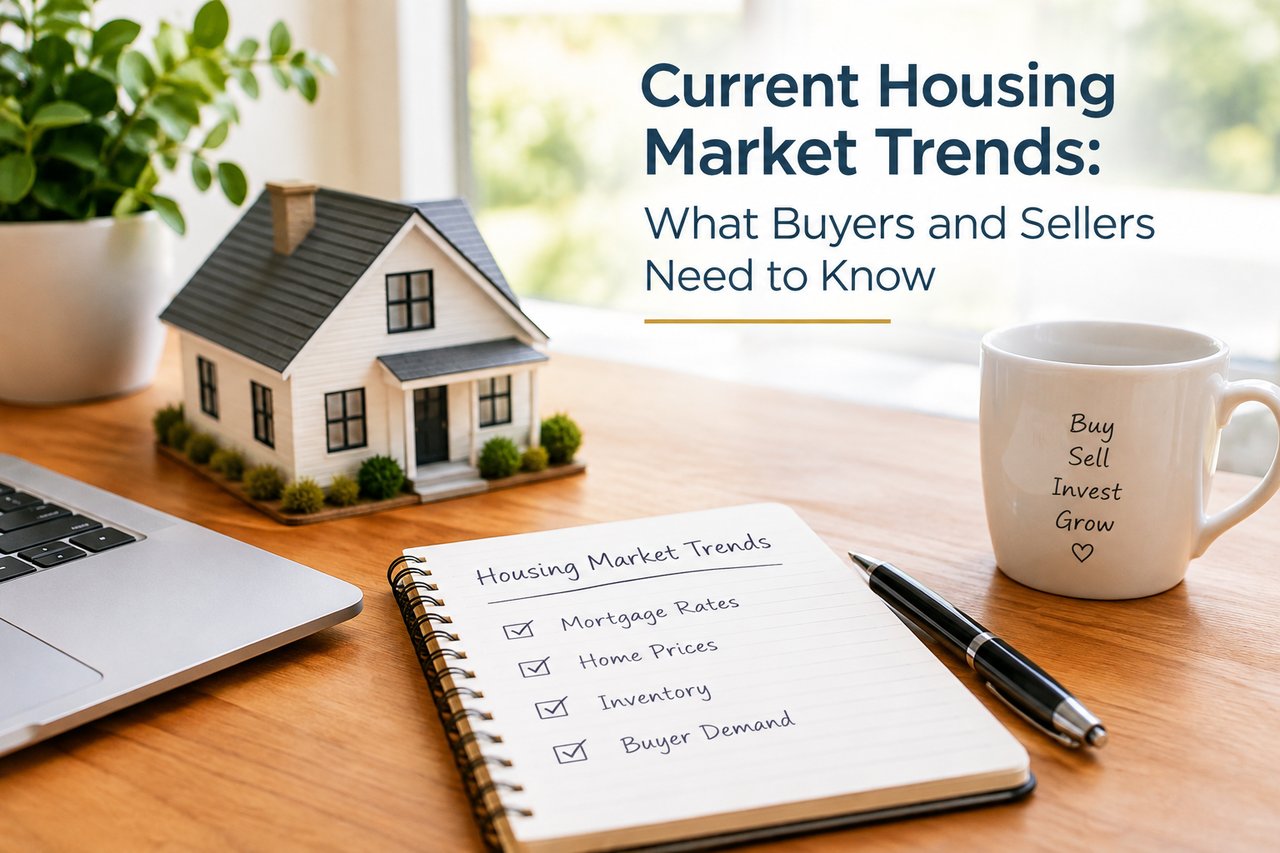
Explore current housing market trends, mortgage rates, home prices, and inventory to help Bay Area buyers and sellers make informed real estate decisions.
Real Estate
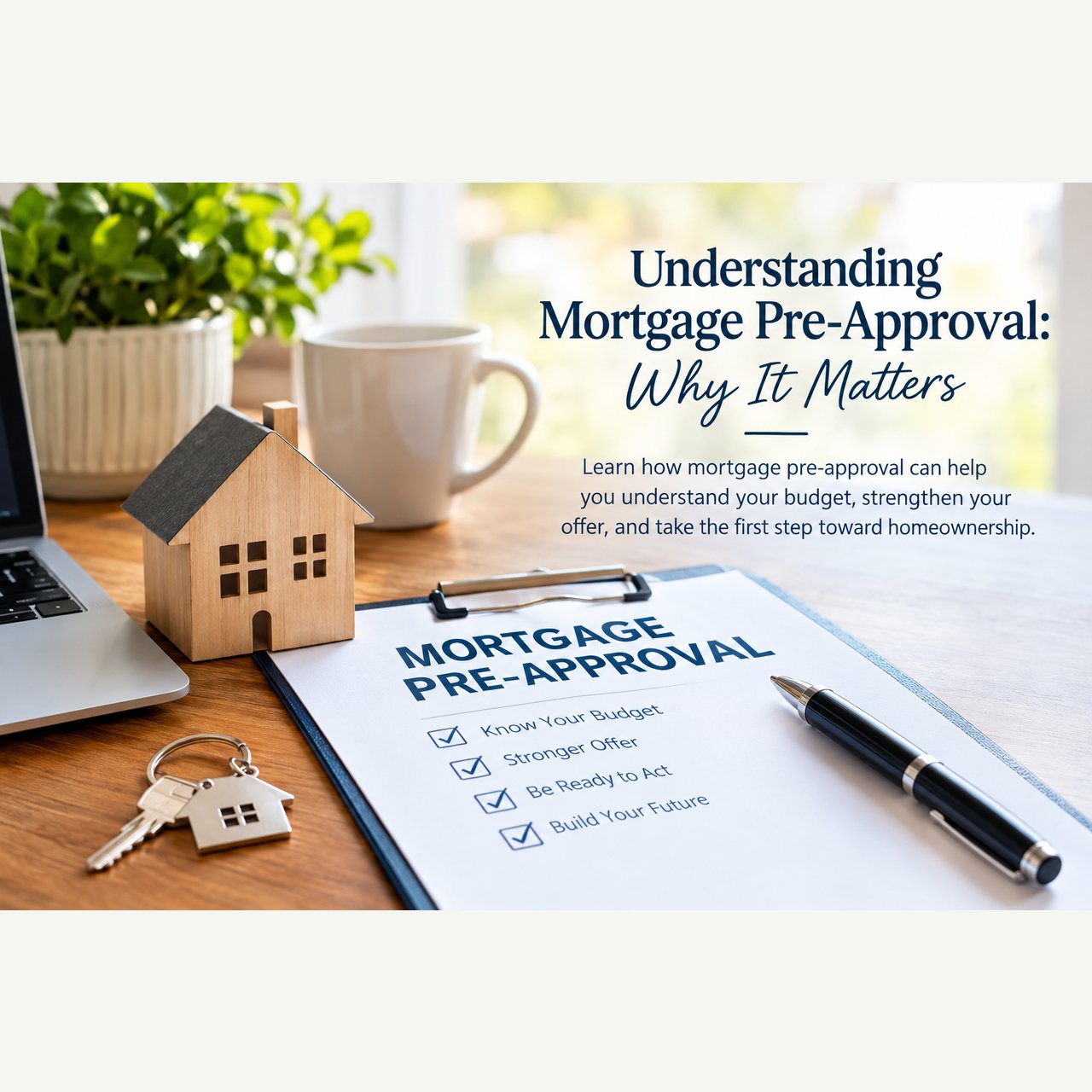
Learn how mortgage pre-approval can help you understand your budget, strengthen your offer, and take the first step toward homeownership.

Avoid costly seller mistakes with the right strategy, preparation, and expert guidance from start to finish.

Real Estate
Think you know real estate? Discover common home-buying and selling myths that could cost you money—and learn what to consider instead.

Before you make an offer, ask the right questions to understand the home, the market, and whether the property is truly right for you.

Real Estate
Simple, strategic ways to make your home more appealing to buyers and ready for the market.

Real Estate
A Smarter, More Focused Approach to Home Buying
Combining years of experience with a deep understanding of the Tri-Valley market, we offer tailored advice and strategies designed to ensure your success. From detailed market analyses to personalized consultation and beyond, we're here to support your real estate journey every step of the way. Reach out today