
Real Estate Myths That Could Cost You Money | What Buyers & Sellers Should Know
Real Estate September 15, 2026
Real Estate September 15, 2026
Buying or selling a home is one of the biggest financial decisions you can make—and believing the wrong real estate advice can sometimes cost you thousands of dollars.
From assumptions about down payments to misconceptions about pricing and mortgage rates, there are plenty of real estate myths that continue to circulate. The problem? What may have been true years ago may no longer apply to today’s market.
Here are some common real estate myths to watch out for—and what you should consider instead.
One of the most common misconceptions is that buyers must have 20% of the purchase price saved before they can purchase a home.
The reality: Depending on the loan program, lender, and buyer's qualifications, some mortgage options may allow a substantially smaller down payment.
However, putting down less than 20% can come with additional costs, such as mortgage insurance. The right amount to put down depends on your financial situation, monthly budget, loan options, and long-term goals.
Smart move: Talk with a qualified mortgage professional early in the process to understand your financing options.
It can be tempting to wait for mortgage rates to fall before buying a home.
The reality: Mortgage rates are only one part of the home-buying equation. Home prices, inventory, competition, and your personal financial situation can also have a significant impact.
Waiting for a specific rate could mean missing an opportunity that makes sense for your circumstances.
Smart move: Look at the overall cost of the home, your expected monthly payment, available inventory, and your long-term plans—not just the interest rate.
Some buyers believe that making a low offer is always the best strategy.
The reality: An offer that is too low could potentially cause you to lose a home you genuinely want, especially when there are multiple interested buyers.
On the other hand, paying more than necessary isn't always the right approach either.
Smart move: Work with your real estate professional to review comparable sales, current competition, property condition, and the seller's circumstances before deciding on an offer strategy.
Buyers sometimes assume that sellers automatically cover closing costs.
The reality: Who pays which closing costs depends on the contract, local practices, the type of transaction, and negotiations between the parties.
Depending on the situation, buyers may have their own closing expenses to budget for.
Smart move: Request a detailed estimate of your expected cash-to-close early so you aren't surprised later.
Homeowners may assume that completing a major renovation will automatically result in a higher sale price.
The reality: Not every renovation provides the same return on investment. Some improvements can make a property more appealing, while others may not recover their full cost.
Sometimes, simple improvements—such as decluttering, deep cleaning, improving curb appeal, or strategically staging the home—can make a meaningful difference in how buyers perceive the property.
Smart move: Before spending thousands on renovations, discuss which improvements are most likely to benefit your particular property and market.
Some sellers intentionally list above what they believe their home is worth, expecting to reduce the price later if necessary.
The reality: The initial days on the market can be important. An unrealistic asking price may reduce buyer interest and lead to fewer showings.
If a home sits on the market for an extended period, buyers may begin to wonder whether there is an underlying issue—even if the property itself is perfectly fine.
Smart move: Base your pricing strategy on current comparable properties, market conditions, the home's condition, and buyer demand.
Online valuation tools can be convenient, but they don't tell the whole story.
The reality: Automated estimates typically rely on available property and market data. They may not fully account for renovations, interior condition, unique features, views, location-specific factors, or the nuances of the current local market.
Two homes with similar square footage can have significantly different values.
Smart move: Use online estimates as a starting point, then consult a local real estate professional for a more detailed market analysis.
A monthly mortgage payment is an important consideration—but it isn't the entire cost of owning a home.
The reality: Homeowners may also need to account for property taxes, insurance, HOA fees, maintenance, utilities, repairs, and other expenses.
A home that appears affordable based solely on the mortgage payment may have substantially higher overall ownership costs.
Smart move: Calculate the complete cost of homeownership before deciding how much you can comfortably afford.
Listing a property is only one part of the selling process.
The reality: Successful marketing can involve pricing strategy, preparation, photography, staging, online marketing, showings, negotiation, inspections, disclosures, and transaction management.
A property that isn't positioned correctly from the beginning may take longer to sell or require price adjustments.
Smart move: Create a selling strategy before putting your home on the market.
Today's buyers and sellers have access to more information than ever before.
The reality: Online tools can help you research neighborhoods, view listings, compare properties, and learn about the market. But information isn't the same as personalized advice and transaction expertise.
Real estate transactions can involve contracts, negotiations, deadlines, inspections, financing, disclosures, and other details where professional guidance can be valuable.
Smart move: Use online resources to become informed, while working with qualified professionals for advice specific to your transaction.
Real estate myths can sound convincing—especially when they've been repeated for years. But relying on outdated or generalized advice could lead to unnecessary expenses, missed opportunities, or poor financial decisions.
Whether you're buying your first home, moving up, downsizing, or preparing to sell, your strategy should be based on current market conditions, accurate information, and your individual financial goals.
Before making a major real estate decision, take the time to verify the information and consult the appropriate professionals.
The right information can help you make a smarter move—and potentially save you money along the way.
Stay up to date on the latest real estate trends.
Real Estate
Think you know real estate? Discover common home-buying and selling myths that could cost you money—and learn what to consider instead.

Before you make an offer, ask the right questions to understand the home, the market, and whether the property is truly right for you.

Real Estate
Simple, strategic ways to make your home more appealing to buyers and ready for the market.

Real Estate
A Smarter, More Focused Approach to Home Buying
Lifestyle
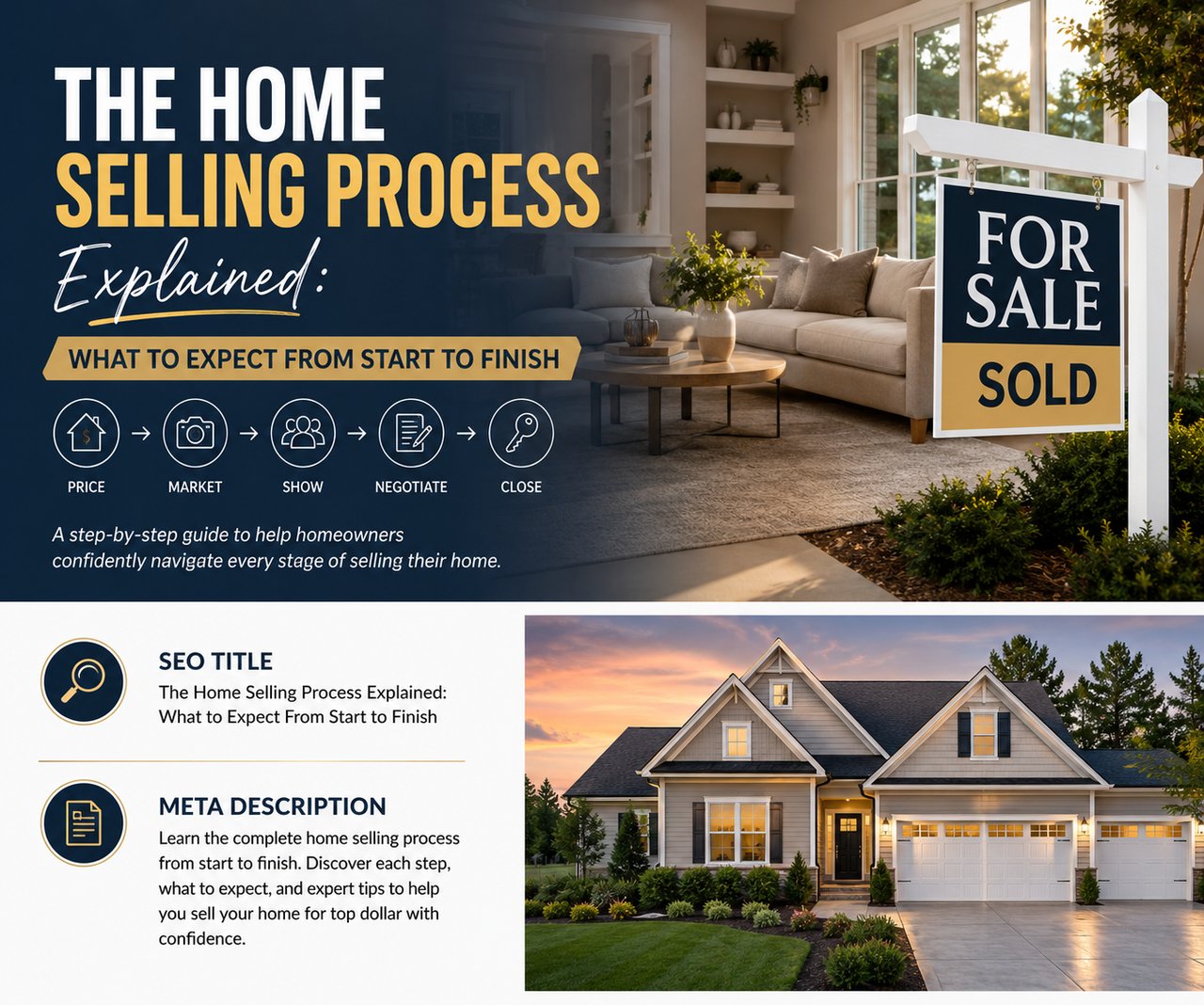
Learn what to expect at every stage of the home selling process, from preparing your home and attracting buyers to negotiating offers and closing with confidence.

Real Estate
Making every step of buying or selling your home simple, smooth, and stress-free.

Real Estate
Your Complete Roadmap to Buying Your First Home with Confidence

Real Estate
Prepare Smart. Price Right. Sell for More.

Real Estate
Discover how an experienced real estate professional can simplify the buying or selling process while helping you achieve the best possible results.
Combining years of experience with a deep understanding of the Tri-Valley market, we offer tailored advice and strategies designed to ensure your success. From detailed market analyses to personalized consultation and beyond, we're here to support your real estate journey every step of the way. Reach out today